
Introduction
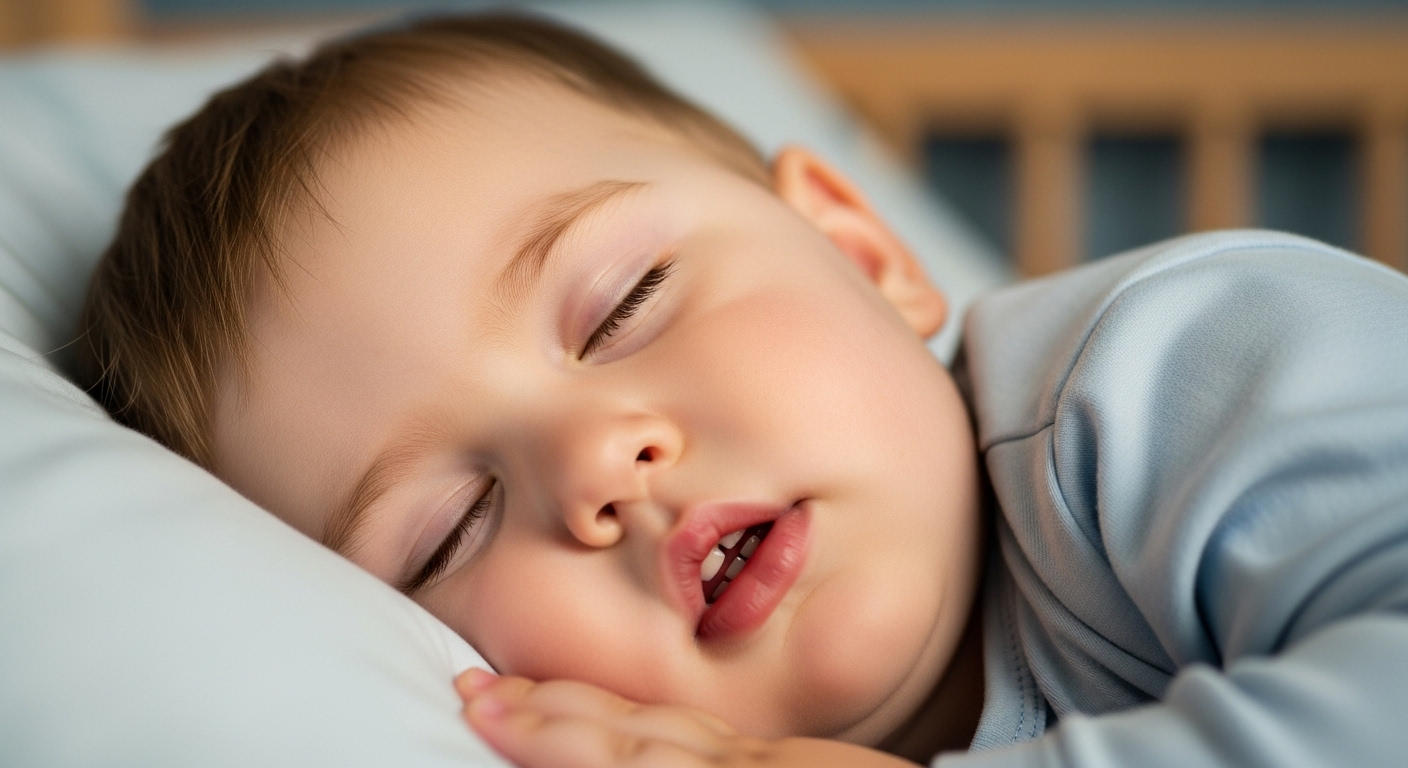
Baby grinding teeth is actually quite common, especially during sleep, and in most cases it’s completely normal and temporary. Many babies, toddlers, and young children grind their teeth as part of development, often without causing long-term harm.
If you’ve noticed your toddler grinding teeth at night, heard unusual sounds while your baby sleeps, or are worried about child teeth grinding during sleep, this guide will walk you through what’s happening and what to do next.
At Tooth Heaven, we regularly speak with concerned parents about teeth grinding in young children. In this article, we’ll explain why it happens, when it’s normal, when to be concerned, and how to manage it safely.
What Is Baby Teeth Grinding?
Quick Answer
Baby teeth grinding, also known as bruxism, is when a child rubs or clenches their teeth together, usually during sleep.
Baby Grinding Teeth Explained
-
Often happens at night
-
Can also occur during the day
-
Common in toddlers and young children
-
Usually temporary
You can explore more about grinding behaviours across all ages on our teeth grinding page.
Why Do Babies and Toddlers Grind Their Teeth?
Short Answer
It’s usually linked to development, teething, or changes in the mouth.
Common Causes
1. Teething and New Teeth
-
Babies explore new sensations
-
Grinding helps them “test” their teeth
2. Jaw Development
-
The jaw is still growing
-
Grinding helps children find a comfortable bite
3. Response to Discomfort
-
Teething pain
-
Earaches or mild irritation
4. Sleep Patterns
-
Occurs during light sleep phases
-
Common in children with irregular sleep cycles
5. Stress or Stimulation
-
Changes in routine
-
New environments
-
Overstimulation before bedtime
Is Baby Grinding Teeth Normal?
Short Answer
Yes, in most cases it’s completely normal and temporary.
What We See in Practice
At Tooth Heaven:
-
Many toddlers grind for a short period
-
Most outgrow it naturally
-
It rarely causes serious damage
For general child dental development guidance, refer to the Australian Dental Association.
Baby Grinding Teeth at Night: What Does It Mean?
Short Answer
Grinding at night is often linked to sleep cycles and is usually harmless.
What Happens During Sleep
-
Occurs during lighter sleep stages
-
May be linked to dreaming
-
Often reduces as sleep patterns mature
When Should You Be Concerned?
Short Answer
You should seek advice if grinding is frequent, severe, or causing symptoms.
Warning Signs
-
Teeth look worn or chipped
-
Child complains of jaw pain
-
Frequent headaches
-
Poor sleep quality
-
Grinding continues beyond early childhood
You can check your child’s dental health with a qualified practitioner via the AHPRA register.
Does Baby Teeth Grinding Damage Teeth?
Short Answer
In most cases, no. Baby teeth are more resilient than you might expect.
Why Damage Is Rare
-
Baby teeth are temporary
-
Grinding is usually mild
-
Episodes are short-term
However, ongoing or severe grinding should be monitored.
How to Stop Toddler Grinding Teeth
Short Answer
Focus on comfort, routine, and reducing stress.
Practical Tips
1. Improve Bedtime Routine
-
Keep bedtime consistent
-
Reduce stimulation before sleep
-
Create a calm environment
2. Address Teething Discomfort
-
Use safe teething toys
-
Gentle gum massage
3. Encourage Relaxation
-
Quiet activities before bed
-
Reading or calming music
4. Monitor Daytime Habits
-
Reduce jaw clenching during the day
-
Encourage relaxed jaw posture
Natural Remedies for Child Teeth Grinding
Short Answer
Simple lifestyle changes can help reduce grinding.
Helpful Approaches
-
Warm bath before bed
-
Gentle jaw massage
-
Comfort items (blanket or toy)
-
Consistent sleep routine
These methods support relaxation and better sleep.
Do Children Need a Mouth Guard?
Short Answer
Rarely. Mouth guards are usually not recommended for babies or very young children.
When It May Be Considered
-
Severe grinding
-
Tooth damage
-
Older children with ongoing symptoms
In these cases, a dentist will guide the best approach.
How Long Does Baby Teeth Grinding Last?
Short Answer
Most children outgrow it within months to a few years.
Typical Timeline
-
Common between ages 1–5
-
Often reduces as adult teeth develop
-
Usually disappears without treatment
Real Parent Experience
At Tooth Heaven, we often hear:
-
“It sounds worse than it is”
-
“It stopped on its own”
-
“We were worried, but it resolved naturally”
Reassurance is often the most important part of care.
When to See a Dentist
Short Answer
If you’re unsure or symptoms persist, it’s best to get professional advice.
Reasons to Book a Visit
-
Grinding is frequent or loud
-
Visible tooth wear
-
Child has discomfort
-
You want reassurance
You can meet our experienced clinicians on our team page or contact us to book an appointment.
How We Help at Tooth Heaven
At Tooth Heaven, we:
-
Assess your child’s teeth and development
-
Identify any underlying issues
-
Provide simple, practical guidance
-
Monitor progress over time
You can learn more about our approach on our main website.
Quick Answers (FAQ)
Is baby grinding teeth normal?
Yes, it’s very common and usually temporary.
Why does my toddler grind teeth at night?
It’s often linked to sleep cycles, teething, or development.
Should I stop my baby from grinding teeth?
No, unless it’s causing damage or discomfort.
Can grinding damage baby teeth?
Usually not, but severe cases should be checked.
When should I see a dentist?
If grinding is persistent, severe, or causing symptoms.
Conclusion
Baby grinding teeth is usually a normal part of development and nothing to worry about. Most children outgrow it naturally as their teeth and jaw develop.
The key is knowing when it’s normal and when to seek advice.
At Tooth Heaven, we focus on helping parents feel confident and informed while ensuring your child’s dental health is on track.
If you’re concerned about your child’s grinding, the best step is a simple check-up.
You can contact our team to book a consultation and get personalised advice.