
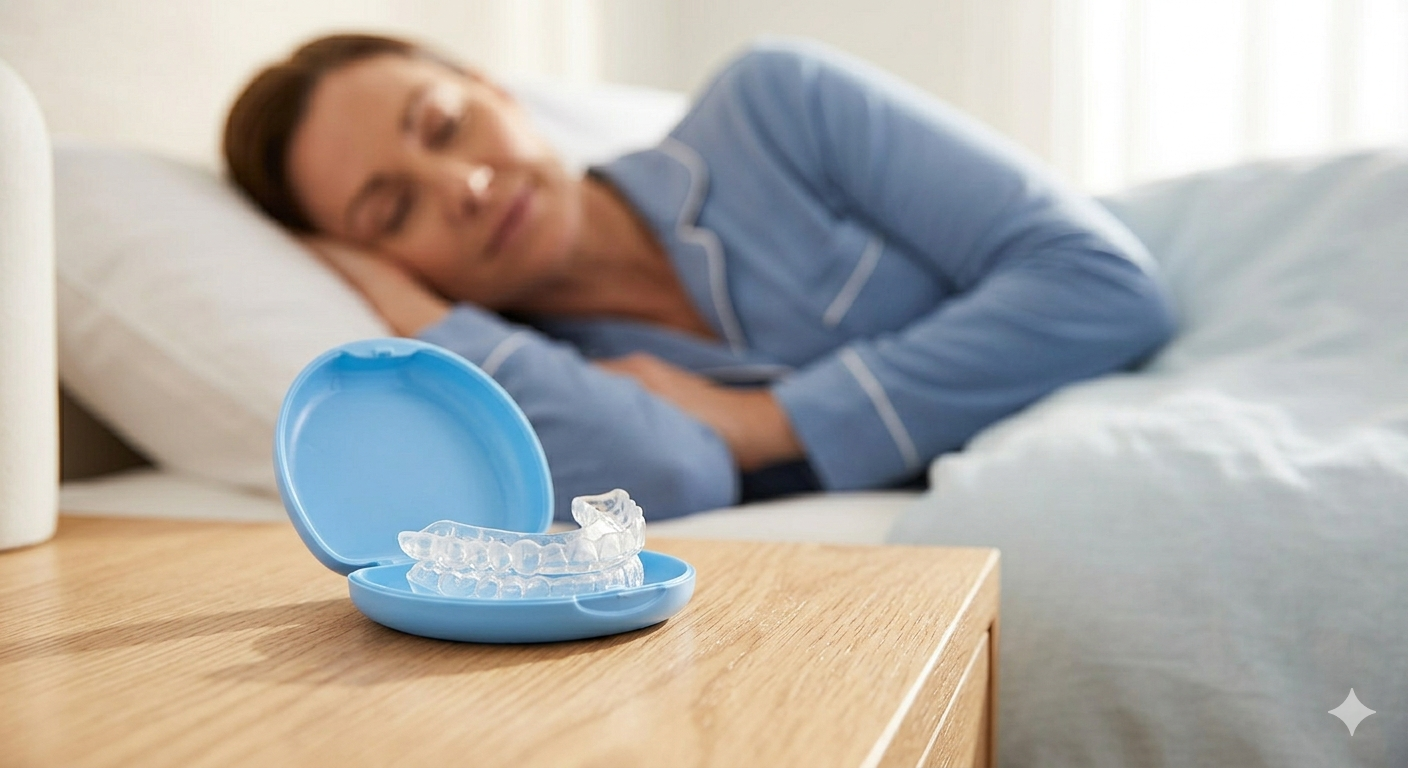
If you are wondering how to avoid teeth grinding, the first step is to identify when it happens, what may be triggering it, and whether your teeth or jaw are already showing signs of strain. For many people, teeth grinding happens during sleep, so they may not notice it until they wake with jaw pain, sensitive teeth, headaches or a partner hears grinding at night.
At Tooth Heaven, we regularly see patients who are clenching or grinding without realising it. The good news is that bruxism can often be managed with the right mix of dental protection, habit awareness, stress management and sleep-related support.
In this guide, we’ll explain the common signs of grinding, how to stop grinding teeth at night, when to seek bruxism treatment, and what we may recommend when you visit us in Kensington.
Quick answers about teeth grinding
| Question | Short answer |
| Can I completely stop teeth grinding? | Not always. Treatment often focuses on reducing triggers, protecting your teeth and managing symptoms. |
| What is the most common teeth grinding treatment? | A custom occlusal splint or night guard is commonly used to protect teeth from wear and damage. |
| How do I stop grinding teeth at night? | Start with a dental check, then address stress, sleep habits, jaw tension and possible sleep-related issues. |
| Is teeth clenching the same as grinding? | They are related. Clenching means holding the teeth tightly together, while grinding involves rubbing them together. |
| When should I see a dentist? | Book a check-up if you have jaw pain, headaches, tooth sensitivity, chipped teeth, worn teeth or morning facial soreness. |
What is teeth grinding?
Teeth grinding, also called bruxism, is when you clench, grind or gnash your teeth outside of normal chewing. It can happen during the day or while you are asleep. The Australian Dental Association explains that bruxism may damage the teeth and jaw joints, and early treatment can help reduce the risk of dental complications. You can read more from the Australian Dental Association’s Teeth.org.au guide to teeth grinding.
There are two common forms:
Awake bruxism usually happens when you are stressed, concentrating, driving, working at a computer or feeling tense.
Sleep bruxism happens while you are asleep, which means you may not know it is happening. A partner may hear it first, or we may notice signs of tooth wear during a dental check-up.
On our existing page about teeth grinding in Kensington, we explain that many people only become aware of the habit when they start noticing jaw discomfort, tooth sensitivity, headaches or damage to their teeth.
Why do people grind their teeth?
There is rarely one single cause. Bruxism can be linked to several factors working together.
Common triggers include:
-
Stress or anxiety
-
Deep concentration
-
Poor sleep quality
-
Snoring or possible sleep apnoea
-
Alcohol or caffeine use
-
Smoking
-
Some medications
-
Bite changes or tooth support issues
-
Jaw muscle tension
-
Family history
Healthdirect lists stress, anxiety, smoking, alcohol, caffeine, snoring, some medicines and sleep apnoea as possible causes or related factors. You can read their Australian health information here: healthdirect’s guide to teeth grinding.
At our practice, we look at the bigger picture. We do not just ask, “Are you grinding?” We also ask about your symptoms, your sleep, your stress levels, your dental history and whether anything has recently changed in your mouth.
What are the signs you might be grinding your teeth?
Teeth grinding can be sneaky. Some people have obvious symptoms, while others only find out during a routine dental visit.
Common symptoms of teeth grinding
You may be grinding or clenching if you notice:
-
Sore jaw muscles in the morning
-
Headaches, especially around the temples
-
Tooth sensitivity
-
Worn, flattened or chipped teeth
-
Cracked fillings
-
Jaw clicking, tightness or difficulty opening fully
-
Ear-like pain without an ear infection
-
Neck or facial soreness
-
Disturbed sleep
-
A partner mentioning grinding noises at night
Healthdirect notes that symptoms can include cracked, chipped or loose teeth, damaged fillings, painful jaw muscles, headaches, toothaches, sensitive teeth, sleep disturbance and temporomandibular joint dysfunction.
Can teeth grinding damage your teeth?
Yes, it can. Mild grinding may not cause major damage, but ongoing or forceful grinding can wear enamel, chip teeth, crack restorations and place extra pressure on the jaw joints.
At Tooth Heaven, we look for signs such as worn biting edges, tiny cracks, uneven wear, tender jaw muscles and broken fillings. If we catch it early, we can often protect the teeth before more complex treatment is needed.
How to avoid teeth grinding during the day
Daytime clenching is often linked to awareness. Many people hold tension in their jaw while working, driving, exercising or concentrating.
Try the “lips together, teeth apart” habit
A relaxed jaw position usually means:
-
Lips gently together
-
Teeth slightly apart
-
Tongue resting lightly
-
Jaw relaxed, not clenched
Your teeth are not meant to be touching all day. They should usually only meet when you chew or swallow.
A simple reminder can help. Place a small note on your desk, phone or bathroom mirror that says: “Relax jaw.” Each time you see it, check whether your teeth are touching.
Reduce jaw-loading habits
If you clench or grind, try to avoid habits that keep the jaw muscles switched on for long periods.
These include:
-
Chewing gum
-
Biting pens
-
Chewing fingernails
-
Holding objects between your teeth
-
Resting your chin heavily on your hand
-
Clenching during exercise
-
Chewing very hard foods when your jaw is already sore
These small changes may not solve bruxism on their own, but they can reduce the load on your teeth and jaw.
How to stop grinding teeth at night
Night-time grinding is harder to control because you are asleep. That is why treatment usually focuses on protecting the teeth, reducing triggers and checking whether another health issue may be involved.
1. Book a dental check
A dental check is the best place to start. We can assess your teeth, jaw joints, bite, fillings, crowns and signs of wear.
When you visit Tooth Heaven, we take time to understand what you are experiencing. Our website explains that our team provides dental care in a friendly, supportive environment and takes a patient-focused approach.
2. Consider a custom night guard
A custom night guard, also called an occlusal splint, is one of the most common options for bruxism treatment. It is made to fit your teeth and is usually worn while sleeping.
A night guard does not always stop the grinding movement itself. Its main role is to protect your teeth from wear, chips and cracks. The Australian Dental Association notes that an occlusal splint protects teeth from wear and damage caused by grinding and clenching, and can decrease strain on the jaw muscles and jaw joints.
3. Improve sleep habits
Sleep quality can play a role in night-time grinding. A consistent routine may help reduce brief sleep disruptions that can be associated with bruxism.
Helpful steps include:
-
Keeping a regular bedtime
-
Reducing screen time before bed
-
Avoiding caffeine late in the day
-
Limiting alcohol close to bedtime
-
Keeping your bedroom dark, quiet and comfortable
-
Creating a calm wind-down routine
Sleep Foundation notes that sleep hygiene changes, such as consistent sleep and wake times, a relaxing bedtime routine and avoiding caffeine or alcohol in the evening, may help people managing sleep bruxism.
4. Manage stress and tension
Stress is not the only cause of grinding, but it is a common contributor. If you notice you clench during busy periods, emotional strain or deep concentration, stress management may form part of your teeth clenching treatment.
This could include:
-
Breathing exercises
-
Gentle stretching
-
Meditation
-
Counselling
-
Exercise
-
Taking short breaks during work
-
Reducing jaw tension before bed
Healthdirect lists relaxation techniques, counselling, mindfulness, meditation and good sleep habits as possible approaches for managing teeth grinding.
5. Check for sleep apnoea symptoms
Teeth grinding can sometimes be linked with sleep-related breathing issues. This does not mean everyone who grinds has sleep apnoea, but it is worth asking about if you snore, wake gasping, feel tired during the day or have been told you stop breathing during sleep.
Healthdirect notes that people who grind their teeth while asleep may be more likely to have other sleep disorders, including sleep apnoea.
If we think your symptoms may need further investigation, we may suggest speaking with your GP or another appropriate health professional.
Bruxism treatment options compared
| Treatment option | What it does | Best for | Important note |
| Custom night guard | Protects teeth from grinding forces | Sleep bruxism, worn teeth, cracked fillings | It protects teeth but may not stop the grinding habit |
| Stress management | Helps reduce tension-related clenching | Awake clenching, stress-linked symptoms | Often works best with other strategies |
| Sleep habit changes | Supports better quality sleep | Night grinding, tiredness, poor sleep routine | May help reduce triggers |
| Jaw exercises | Helps relax and stretch jaw muscles | Jaw tightness or soreness | Should be guided if pain is ongoing |
| Dental repair | Restores damaged teeth or fillings | Chipped, cracked or worn teeth | Protection is still needed to reduce repeat damage |
| Medical referral | Checks related sleep or medical conditions | Snoring, possible sleep apnoea, medication-related grinding | May involve GP or sleep physician support |
Is an over-the-counter mouthguard enough?
Over-the-counter mouthguards may seem convenient, but they are not always the right fit for bruxism. A poor-fitting guard can feel bulky, move during sleep or place pressure in the wrong areas.
A custom splint is made for your mouth. We check the fit, comfort and bite so it protects your teeth properly. This is especially important if you have crowns, veneers, fillings, worn teeth, orthodontic history or jaw joint symptoms.
The Australian Dental Association explains that an occlusal splint is custom-made by your dentist and is different from a sports mouthguard.
What happens at a teeth grinding consultation?
When you visit us for teeth grinding or clenching, we may:
-
Ask about your symptoms, sleep, stress and medical history
-
Check your teeth for wear, cracks, chips and sensitivity
-
Examine your jaw muscles and jaw joint movement
-
Review your bite and any existing dental restorations
-
Discuss whether a custom night guard may help
-
Talk through lifestyle, sleep and stress-related factors
-
Recommend repair if teeth or fillings are already damaged
-
Refer you to another health professional if sleep apnoea or another issue may be involved
Our goal is to protect your teeth, reduce discomfort and help you understand what may be contributing to the problem.
How much does teeth grinding treatment cost?
The cost of teeth grinding treatment depends on what you need. A simple consultation and monitoring plan will be different from a custom night guard, jaw-related care or treatment to repair damaged teeth.
Factors that can affect cost include:
-
Whether you need a custom splint
-
The severity of tooth wear
-
Whether fillings, crowns or other repairs are needed
-
Whether jaw pain needs additional management
-
Whether your health fund contributes to treatment
We will always explain your options before starting treatment. If you are unsure where to begin, the best first step is to contact our team and book a consultation.
Can children grind their teeth?
Yes. Children can grind their teeth too, and many grow out of it. However, it is still worth mentioning at their dental visit, especially if they have pain, broken teeth, sleep issues or ongoing symptoms.
Healthdirect notes that young children sometimes grind their teeth and usually grow out of it, but adults and children can grind during sleep or during the day.
We can check whether there is anything unusual happening with your child’s teeth, bite or jaw development and guide you on whether treatment is needed.
Can stress alone cause teeth grinding?
Stress can contribute to grinding and clenching, but it is not always the only cause. Some people grind because of sleep disruption, airway-related issues, medications, habits, bite changes or a combination of factors.
That is why we prefer a broad approach. A night guard may protect the teeth, but if stress, poor sleep or jaw tension are also involved, those factors should be addressed too.
What happens if I ignore teeth grinding?
Ignoring teeth grinding can allow small problems to become bigger ones.
Possible complications include:
-
Worn enamel
-
Sensitive teeth
-
Chipped or cracked teeth
-
Broken fillings
-
Jaw pain
-
Headaches
-
Facial soreness
-
Tooth mobility in severe cases
-
Strain on the jaw joints
Better Health Channel notes that teeth grinding may lead to cracked teeth, abnormal tooth wear, broken restorations, jaw joint strain, jaw pain, sore jaw muscles and tooth sensitivity.
Early management is usually simpler than waiting until a tooth cracks or a filling breaks.
Why choose Tooth Heaven for teeth grinding treatment?
At Tooth Heaven, our motto is “Changing lives, one tooth at a time.” We are based at 249 Racecourse Road, Kensington, and care for patients from Kensington, Flemington, Travancore, North Melbourne, Parkville and surrounding areas.
Our website also notes that we have combined experience of over 22 years and provide a wide range of dental care in one place, from check-ups and cleans to restorative care, braces and implants.
When you see our team, we will not rush to a one-size-fits-all answer. We look at your teeth, your jaw, your symptoms and your lifestyle so we can recommend a treatment plan that suits your needs.
FAQs
How do I know if I grind my teeth at night?
You may wake with jaw pain, headaches, sensitive teeth or facial tightness. A partner may hear grinding sounds, or we may notice worn or cracked teeth during your dental check-up.
Can a night guard stop teeth grinding?
A night guard usually protects your teeth rather than stopping the grinding habit completely. It creates a protective barrier and may reduce strain on your jaw muscles and joints.
What is the best bruxism treatment?
The best bruxism treatment depends on the cause and severity. Some patients need a custom night guard, while others also benefit from stress management, sleep changes, jaw exercises, dental repair or medical referral.
How do I stop clenching my teeth during the day?
Start by building awareness. Keep your lips together, teeth apart and jaw relaxed. Set reminders during work, driving or exercise so you can catch the habit early.
When should I book a dentist appointment for teeth grinding?
Book an appointment if you have jaw pain, headaches, tooth sensitivity, worn teeth, cracked fillings, chipped teeth or if someone has told you that you grind your teeth at night.
Conclusion
Teeth grinding can be frustrating, especially when it happens while you sleep. The key is not to ignore it. Bruxism can often be managed with a clear plan that protects your teeth, reduces jaw strain and addresses possible triggers such as stress, poor sleep or related health concerns.
At Tooth Heaven, we help patients understand why they may be grinding, what damage may already be present and which treatment options are suitable. Whether you need advice, a custom night guard, teeth clenching treatment or a broader bruxism treatment plan, we are here to help.
To take the next step, contact our team to book a consultation.