
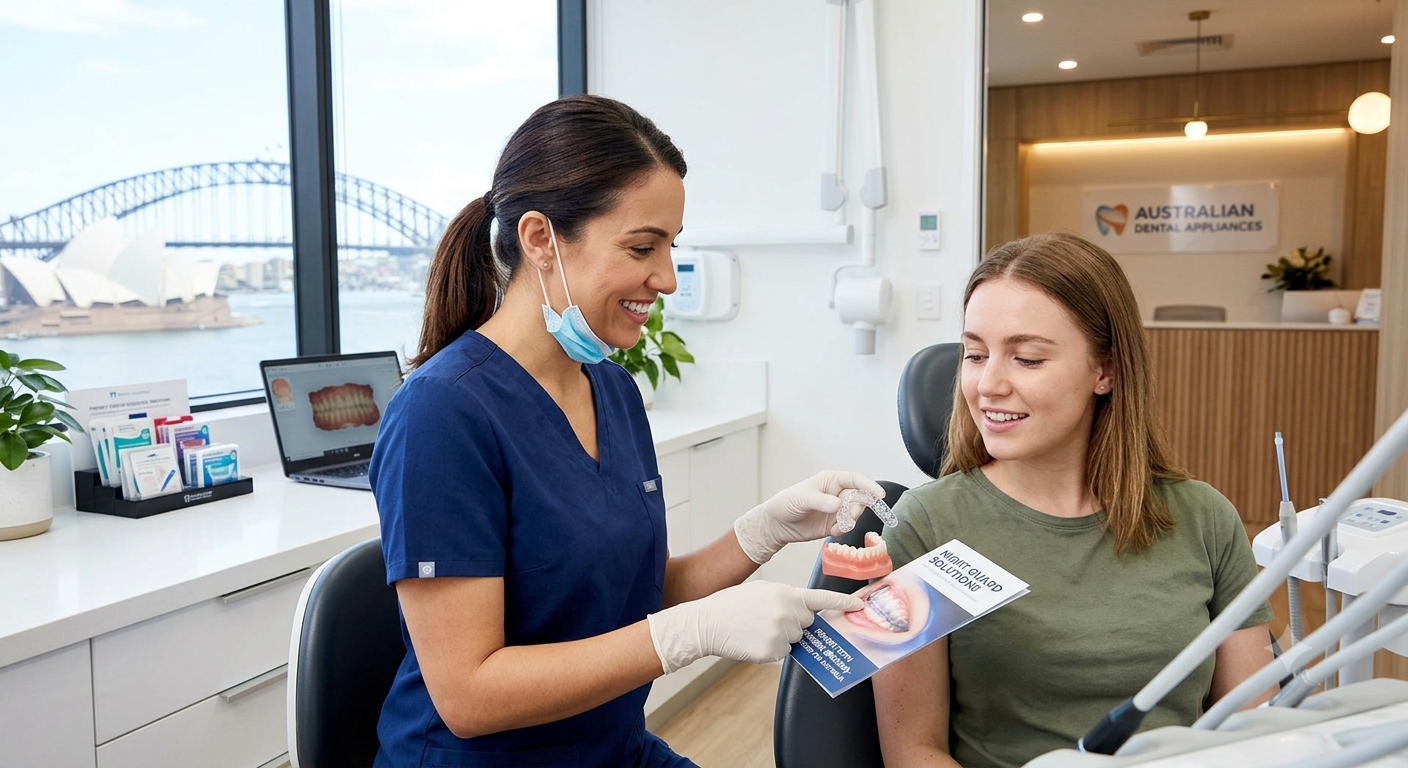
The best night guard for teeth grinding Australia patients can choose is usually one that is custom-made for their teeth, checked by a dentist, comfortable enough to wear consistently, and suitable for the severity of their grinding or clenching. A night guard should protect your teeth from wear, cracks and pressure while also fitting your bite properly. Store-bought guards may suit some people as a short-term option, but they are not always the best choice for ongoing bruxism.
At Tooth Heaven, we regularly see patients who have tried pharmacy guards, online guards or sports mouthguards before realising their jaw pain, tooth wear or broken fillings need a more tailored approach. In this guide, we’ll explain what to look for in a night guard for teeth grinding in Australia, how custom night guards work, and when to book a dental assessment.
Quick answers about night guards for teeth grinding
| Question | Short answer |
| What is the best night guard for teeth grinding? | A custom-made dental night guard is often the best option for ongoing grinding because it is made to fit your teeth and bite. |
| Is a store-bought mouth guard enough? | Sometimes for very short-term use, but it may not fit well, last long or suit moderate to severe grinding. |
| Does a night guard stop grinding? | Not usually. It protects the teeth from damage, but it may not stop the grinding habit itself. |
| Is a custom night guard worth it? | For many patients, yes. It can help protect teeth, fillings, crowns and jaw joints from ongoing grinding pressure. |
| When should I see a dentist? | Book a check if you have worn teeth, jaw pain, headaches, tooth sensitivity, cracked fillings or broken teeth. |
What is a night guard for teeth grinding?
A night guard for teeth grinding is a protective dental appliance worn while you sleep. It sits over your upper or lower teeth to create a barrier between the teeth and reduce the impact of grinding or clenching.
You may also hear it called:
-
Occlusal splint
-
Bite splint
-
Bruxism mouth guard
-
Night mouthguard
-
Grinding splint
-
Mouth guard for teeth grinding
The Australian Dental Association explains that an occlusal splint is custom-made by your dentist, is different from a sports mouthguard, and is designed to protect teeth from wear and damage caused by grinding and clenching. You can read their Australian dental guidance on teeth grinding and occlusal splints.
At Tooth Heaven, we may recommend a custom night guard when we can see signs that grinding is putting your teeth, fillings or jaw under strain.
Why do people need a night guard?
People usually need a night guard because they grind or clench their teeth while asleep. This is called sleep bruxism.
Common signs include:
-
Worn or flattened teeth
-
Chipped teeth
-
Cracked fillings
-
Sensitive teeth
-
Jaw pain in the morning
-
Headaches around the temples
-
Tight jaw muscles
-
Soreness in the face, neck or ears
-
Disrupted sleep
-
A partner hearing grinding sounds at night
Healthdirect Australia explains that bruxism can cause cracked, chipped or loose teeth, damaged fillings, painful jaw muscles, headaches, toothaches, sensitive teeth and sleep disturbance. It also notes that treatment may include a custom-made mouthguard or splint to protect the teeth. You can read more in their Australian health guide to teeth grinding and bruxism.
On our own teeth grinding page, we explain that bruxism can range from mild to severe. Some people do not realise they are grinding until a partner hears it or they start noticing jaw pain, headaches, sensitivity or worn teeth.
Does a night guard stop teeth grinding?
Usually, no. A night guard does not always stop the grinding movement itself. Its main job is to protect your teeth from direct tooth-on-tooth force.
This is an important distinction.
A night guard may help by:
-
Protecting enamel from wear
-
Reducing the risk of chips and cracks
-
Protecting fillings, crowns and veneers
-
Reducing pressure on teeth during clenching
-
Helping spread bite forces more evenly
-
Decreasing strain on jaw muscles and joints for some patients
The Australian Dental Association notes that an occlusal splint will not stop you from grinding, but it can reduce some signs and symptoms by protecting the teeth and decreasing strain on the face, mouth muscles and jaw joints.
That means the best plan is not just “buy a guard and hope”. The better approach is to check why you are grinding, protect your teeth and address any contributing factors where possible.
What makes the best night guard for teeth grinding in Australia?
The best night guard is not always the cheapest, thickest or most heavily advertised option. The best one is the one that suits your mouth, your bite, your symptoms and your level of grinding.
A good night guard should fit properly
Fit matters more than most people realise. If a guard is loose, bulky or uneven, you may not wear it. Worse, it may move around while you sleep or place pressure in the wrong areas.
A well-fitting night guard should:
-
Feel secure
-
Stay in place
-
Avoid rubbing the gums
-
Allow you to close comfortably
-
Be shaped to your teeth
-
Match your bite as closely as possible
-
Feel comfortable enough for regular use
At Tooth Heaven, we check the fit carefully because a night guard only helps if you can actually wear it.
It should be made for grinding, not sport
A sports mouthguard is designed to absorb impact from contact sport. A bruxism night guard is designed for repeated grinding and clenching forces during sleep.
They are not the same.
A sports mouthguard is usually bulkier and softer. It may not be suitable for nightly grinding and may encourage some people to chew or clench more. A dental night guard is made with grinding forces, bite balance and tooth protection in mind.
It should suit the severity of your grinding
Not every grinder needs the same type of appliance. Some patients have mild wear and occasional clenching. Others have cracked teeth, broken fillings, severe morning jaw pain or jaw joint symptoms.
A dentist-made appliance can be designed based on what we see in your mouth.
It should be reviewed over time
Your night guard needs to be checked at routine dental visits. If it becomes worn, cracked, warped or no longer fits, it may need adjustment or replacement.
The Australian Dental Association recommends bringing an occlusal splint to routine dental examinations so your dentist can check whether it is still working properly.
Custom night guard Australia: what does custom-made mean?
A custom night guard is made specifically for your mouth. At a dental clinic, this usually involves taking scans or impressions of your teeth, creating a model or digital record, and having the guard made to fit your bite.
A custom night guard may be recommended if you have:
-
Ongoing sleep grinding
-
Jaw pain or tightness
-
Morning headaches
-
Worn teeth
-
Cracked fillings
-
Chipped teeth
-
Crowns, veneers or bridges to protect
-
Moderate to severe clenching
-
A history of dental restorations breaking
-
Sensitivity from enamel wear
At our Kensington dental practice, we assess the teeth, jaw muscles, bite and symptoms before recommending a night guard. Our practice cares for patients from Kensington, Flemington, Travancore, North Melbourne and Parkville, and we offer daytime, afternoon, early evening and Saturday appointments.
Dentist-made night guard vs store-bought mouth guard
Many patients ask whether they can save money by buying a mouth guard online or from a chemist. The answer depends on your symptoms, risk level and how long you plan to use it.
| Option | Pros | Cons | Best suited for |
| Dentist-made custom night guard | Precise fit, checked by a dentist, made for your bite, better for ongoing use | Higher upfront cost | Ongoing grinding, dental wear, cracked fillings, jaw pain |
| Boil-and-bite guard | Lower cost, easy to buy, quick to try | May be bulky, uneven, less durable, not professionally checked | Short-term trial only for mild symptoms |
| Ready-to-wear guard | Cheap and accessible | Least customised, often uncomfortable, may move during sleep | Temporary use only, if at all |
| Sports mouthguard | Good for sport impact | Not designed for sleep bruxism | Sport protection, not grinding |
| Online impression guard | More customised than generic guards | No in-person bite or tooth assessment | Some patients, but not ideal if symptoms or dental damage are present |
A store-bought guard may seem easier at first. But if you already have tooth wear, broken fillings, jaw pain or dental restorations, the bigger issue is not just wearing something. The issue is making sure your teeth and bite are assessed properly.
Is a cheap mouth guard for teeth grinding a bad idea?
Not always. A cheaper guard may be useful as a temporary measure for some people with mild symptoms. However, it can be a poor long-term choice if it does not fit well or if it hides a larger problem.
A cheap guard may be unsuitable if:
-
It feels bulky
-
It falls out during sleep
-
It makes your jaw feel worse
-
You chew through it quickly
-
It rubs your gums
-
It changes how your bite feels
-
You already have cracked fillings or worn teeth
-
You have jaw joint pain
-
You have crowns, veneers or bridgework
-
You snore or have possible sleep apnoea symptoms
If a guard is uncomfortable, most people stop wearing it. A night guard sitting in a drawer protects nothing.
Bruxism mouth guard Australia: when should I book a dental check first?
You should book a dental check before choosing a bruxism mouth guard if you have symptoms or visible changes to your teeth.
Book a check if you notice:
-
Morning jaw pain
-
Headaches
-
Tooth sensitivity
-
Worn tooth edges
-
Chipped front teeth
-
Cracked fillings
-
Broken crowns
-
Clicking or locking jaw
-
Face, neck or ear soreness
-
Poor sleep
-
Snoring or waking tired
Healthdirect says you should talk to a dentist or doctor if you have symptoms of teeth grinding, and that a dentist can examine your teeth and suggest suitable treatment.
At Tooth Heaven, we regularly see patients who thought they only needed a guard, but actually had several signs of grinding-related damage. The earlier we catch it, the better chance we have of protecting the teeth before more complex treatment is needed.
What happens at a night guard consultation?
When you visit our team, we will usually start by asking about your symptoms, sleep, stress, dental history and whether anyone has heard you grinding at night. We then check your teeth, gums, bite and jaw.
We may look for:
-
Flattened tooth surfaces
-
Cracks in enamel
-
Chipped edges
-
Damaged fillings
-
Gum recession
-
Tooth mobility
-
Jaw tenderness
-
Bite imbalance
-
Signs of cheek biting
-
Signs that crowns or veneers are under pressure
We may ask:
-
Do you wake with jaw pain?
-
Do you wake with headaches?
-
Do your teeth feel sensitive?
-
Has a partner heard grinding sounds?
-
Do you clench during the day?
-
Do you feel stressed or tense?
-
Do you drink caffeine late in the day?
-
Do you snore?
-
Do you wake tired?
-
Have you broken fillings or teeth before?
Tooth Heaven’s teeth grinding page notes that grinding can have several causes, including stress, anxiety, medications, family history, chewing on one side, loss of support from certain teeth and sleep-related disorders such as sleep apnoea.
What if a night guard is not enough?
A night guard protects teeth, but it may not address every cause of grinding. In some cases, we may recommend a broader plan.
This may include:
-
Stress management strategies
-
Better sleep habits
-
Reducing caffeine or alcohol triggers
-
Jaw relaxation exercises
-
Dental repair for damaged teeth
-
Bite review
-
Monitoring tooth wear over time
-
Referral to a GP if sleep apnoea symptoms are present
-
Physiotherapy or other support for jaw muscle pain
Healthdirect notes that treatment may involve more than one approach, including stress management, good sleep habits, avoiding stimulants and caffeine, a custom-made mouthguard, dental repair, physiotherapy and treatment for linked conditions.
This is why we prefer a proper assessment before recommending anything. Bruxism is often multifactorial.
How much does a custom night guard cost in Australia?
The cost of a custom night guard in Australia varies depending on the clinic, the material used, the complexity of your bite, and whether additional dental treatment is needed. Private health fund rebates may also vary.
Your cost may depend on:
-
Whether you need an upper or lower guard
-
The material and thickness used
-
The severity of grinding
-
Whether scans or impressions are required
-
Whether tooth repair is also needed
-
Whether review appointments are included
-
Your private health insurance extras cover
We will always explain your options before treatment. If you are unsure where to start, the best first step is to contact our team and book a consultation.
Is a custom night guard worth it?
For many patients, yes. A custom night guard can be worth it when grinding is causing damage, discomfort or repeated dental problems.
It may be especially worthwhile if you have:
-
Worn teeth
-
Cracked teeth
-
Broken fillings
-
Crowns or veneers
-
Jaw pain
-
Morning headaches
-
Moderate to severe grinding
-
A history of replacing dental work because it keeps breaking
Think of it this way. A night guard does not just protect the natural teeth. It can also help protect the dental work you have already invested in.
If someone grinds through fillings, chips a crown or wears down enamel, the cost of repair can become much higher than prevention.
Can a night guard help jaw pain?
A night guard may help some patients with jaw pain linked to clenching or grinding. It can reduce direct tooth pressure and may help decrease strain on the jaw muscles and joints.
However, jaw pain can have several causes. A night guard may not be enough if pain is linked with jaw joint problems, muscle tension, bite issues, stress, posture, sleep problems or other health factors.
That is why we assess the whole situation rather than simply handing over a guard.
Can I wear a night guard every night?
Yes, if your dentist has recommended it and it fits properly. Many people wear their night guard every night to protect their teeth during sleep.
You should bring it to dental check-ups so we can check:
-
Fit
-
Wear
-
Cracks
-
Hygiene
-
Bite marks
-
Whether your teeth or dental work have changed
If you have new fillings, crowns, veneers or orthodontic changes, your guard may need adjustment or replacement.
How do I care for a night guard?
Good care helps your night guard last longer and stay hygienic.
General care tips include:
-
Rinse it after use
-
Brush it gently with a soft toothbrush
-
Use cool or lukewarm water, not hot water
-
Let it dry before storing
-
Keep it in its case
-
Avoid leaving it in direct heat
-
Do not wrap it in tissues, as it may be thrown away
-
Keep it away from pets
-
Bring it to dental appointments
The Australian Dental Association recommends cleaning an occlusal splint with soft liquid soap, a spare toothbrush and cool water, and keeping it dry in a protective case.
How long does a night guard last?
A custom night guard may last for years for some patients, but this depends on how heavily you grind, how well you care for it, and whether your teeth or dental work change.
It may need replacement sooner if:
-
It cracks
-
It warps
-
It becomes loose
-
It develops holes
-
It feels uncomfortable
-
Your bite changes
-
You have new crowns, fillings or veneers
-
Your dentist can see it is no longer protecting properly
Heavy grinders may wear through guards faster than light grinders.
Can children use a night guard?
Children can grind their teeth too, but night guards are not always recommended for young children because their teeth and jaws are still developing.
If your child grinds, the safest approach is to book a dental check. We can assess whether monitoring is enough or whether anything else needs attention.
Do not give a child an adult night guard or an online appliance without professional advice.
Is a night guard the same as an aligner or retainer?
No. A night guard is designed to protect against grinding forces. A retainer is designed to hold teeth in position after orthodontic treatment. A clear aligner is designed to move teeth.
They may look similar, but they are not the same.
If you wear retainers and also grind your teeth, let us know. Grinding can damage retainers, and you may need specific advice.
Should I choose a soft or hard night guard?
The right material depends on your grinding pattern and symptoms.
A softer guard may feel more comfortable for some patients, but may wear down faster or encourage chewing in some people. A harder splint may be more durable and more suitable for certain grinding patterns, but it must be made and adjusted properly.
We can recommend the right type after checking your teeth and bite.
Why choose Tooth Heaven for a custom night guard?
At Tooth Heaven, we help patients from Kensington, Flemington, Travancore, North Melbourne, Parkville and nearby areas with teeth grinding and clenching concerns. Our practice focuses on gentle, comprehensive care in a warm and welcoming environment.
When you visit us, we do not just look at one tooth. We assess your symptoms, bite, jaw, dental work, lifestyle factors and risk of future damage.
Our teeth grinding page explains that prevention is better than cure, and that regular check-ups help us spot early warning signs before grinding creates long-term problems.
A custom night guard may be only one part of your plan. We may also discuss stress, sleep, jaw comfort, bite changes and whether any worn or damaged teeth need attention.
Decision guide: which night guard option suits you?
| Your situation | Better option to consider |
| Mild occasional clenching and no tooth damage | Dental check first, then monitoring or short-term protection if needed |
| Morning jaw pain or headaches | Dentist-made night guard and jaw assessment |
| Worn teeth or cracked fillings | Custom night guard and dental review |
| Crowns, veneers or bridgework | Dentist-made guard to protect existing dental work |
| Heavy grinding every night | Custom splint with regular reviews |
| Snoring, waking tired or possible sleep apnoea | Dental check plus GP or sleep assessment |
| You tried a pharmacy guard but stopped wearing it | Custom fit assessment |
| Your guard feels loose or painful | Bring it to a dentist for review |
Quick FAQ
What is the best night guard for teeth grinding Australia patients can get?
For ongoing bruxism, the best option is often a custom night guard made by a dentist. It is fitted to your teeth and bite, then checked for comfort and function.
Is a custom night guard better than a pharmacy mouth guard?
Usually, yes for ongoing grinding. A pharmacy guard may be cheaper, but it may not fit well, last long or suit your bite. A custom guard is made for your mouth and reviewed by a dentist.
Can a night guard stop me from grinding?
A night guard usually protects the teeth rather than stopping the grinding habit. It helps reduce damage from grinding and clenching while you sleep.
How do I know if I need a bruxism mouth guard?
You may need one if you have worn teeth, tooth sensitivity, cracked fillings, jaw pain, headaches or if someone hears you grinding at night.
Can I buy a mouth guard online instead of seeing a dentist?
You can, but it may not be suitable if you have symptoms, dental work, jaw pain or tooth damage. A dental check helps identify the cause and the safest option.
Conclusion
The best night guard for teeth grinding in Australia is not simply the cheapest or most popular option online. It is the one that fits properly, protects your teeth, suits your bite and is appropriate for the severity of your grinding.
For some people, a store-bought guard may seem like an easy starting point. But if you have jaw pain, headaches, sensitivity, worn teeth, cracked fillings or crowns to protect, a dentist-made custom night guard is usually the safer long-term choice.
At Tooth Heaven, we can assess your teeth, jaw and symptoms, then guide you on whether a custom night guard is right for you. We will also check whether stress, sleep, bite changes or possible sleep-related issues may be contributing to your grinding.
If you are looking for a night guard for teeth grinding in Australia or want to know whether your current mouth guard is doing the job, contact our team to book a consultation.