
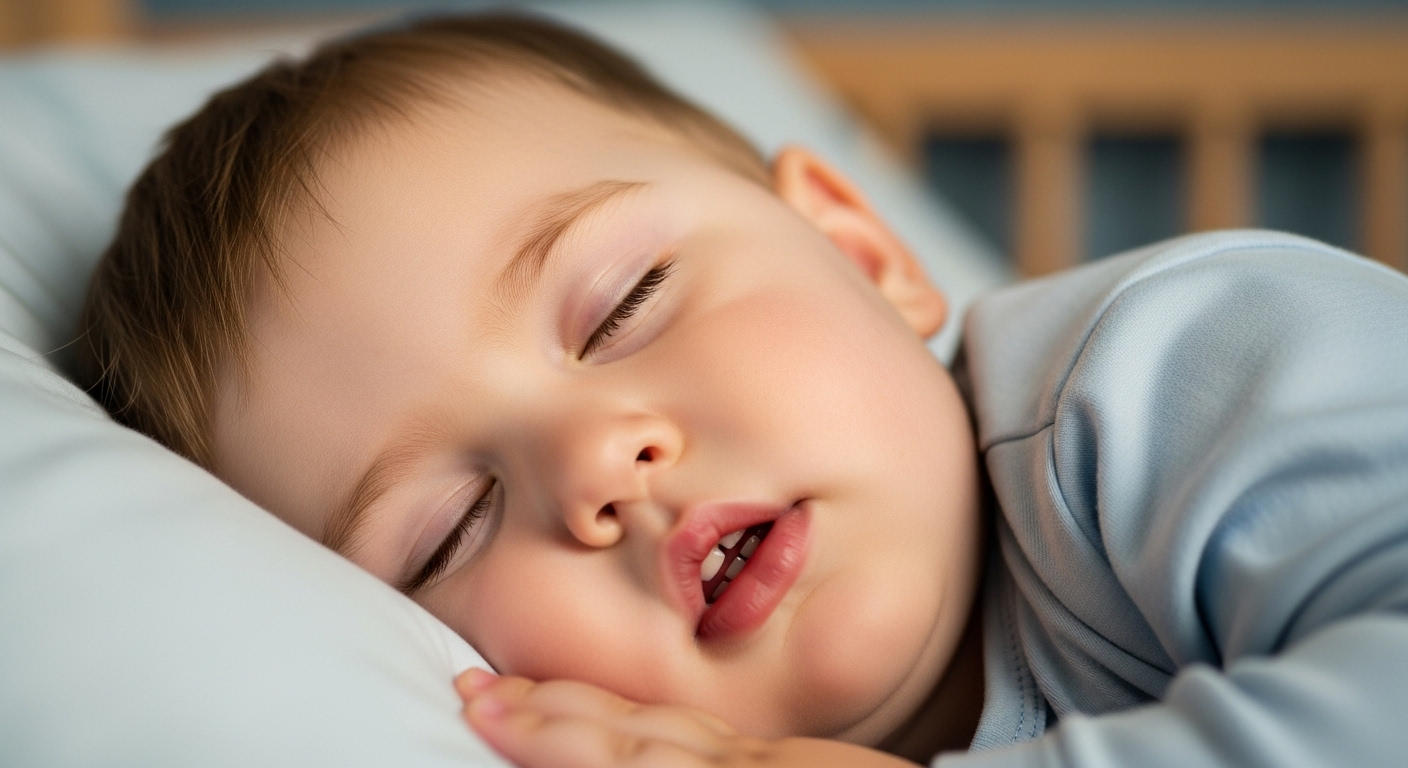
Toddler grinding teeth is usually common, especially during sleep, and in many cases it is a temporary part of growth and development. The noise can sound intense, but it does not always mean your child is in pain or damaging their teeth. Many toddlers grind as new teeth come through, their bite changes, or their jaw muscles continue to develop.
At Tooth Heaven, we often speak with parents who are worried after hearing a scraping, clicking or crunching sound from their toddler’s room at night. In this guide, we’ll explain why toddler teeth grinding at night happens, what signs parents should watch for, what is usually normal, and when it is worth booking a dental check. We’ll also explain what we look for when a child visits us for bruxism concerns.
Quick answers about toddler teeth grinding
| Parent question | Short answer |
| Is toddler grinding teeth normal? | Yes, it can be normal. Many toddlers grind their teeth, especially while sleeping, and often grow out of it. |
| Why is my toddler grinding their teeth? | Common reasons include new teeth coming through, bite changes, jaw development, discomfort, sleep changes or stress. |
| Should I wake my toddler if they grind at night? | Usually, no. If they are sleeping comfortably, it is better to monitor the pattern and mention it at their dental visit. |
| Can grinding damage baby teeth? | Mild grinding often does not cause serious damage, but visible wear, chips, pain or sensitivity should be checked. |
| When should I contact a dentist? | Book a check if grinding is loud, frequent, painful, affecting sleep, or causing visible tooth wear. |
What is bruxism in toddlers?
Bruxism is the dental term for grinding, clenching or gnashing the teeth. In toddlers, it often happens during sleep, although some children may also grind their teeth while awake.
The sound can be surprising. Some parents describe it as scraping. Others say it sounds like crunching or squeaking. In a quiet room, toddler teeth grinding at night can seem much louder than expected.
In many cases, toddler bruxism is not urgent. It may happen for a period, settle down, and then return during another stage of development. However, it is still worth paying attention to the pattern, especially if your child has pain, broken teeth, poor sleep, snoring or mouth breathing.
The Australian Dental Association explains that bruxism can happen during the day or at night while sleeping, and that sleep bruxism is not under conscious control. Their guide to teeth grinding and bruxism also notes that grinding can sometimes lead to tooth wear or jaw discomfort.
Why is my toddler grinding their teeth?
There are several possible reasons. Sometimes there is one clear trigger. Often, there is not. Toddler grinding is usually linked to growth, development, comfort, sleep or routine changes.
1. New teeth are coming through
Toddlers are still getting used to having teeth. As baby teeth erupt, their mouth feels different. They may rub their teeth together simply because the sensation is new.
This type of grinding often comes and goes. You may notice it more when new teeth are pushing through or when your toddler seems unsettled with teething.
2. Their bite is still developing
A toddler’s bite is not fixed. Their baby teeth are still erupting, their jaw is growing, and the way their upper and lower teeth meet can change over time.
Because of this, a child may grind as their mouth adjusts. In many cases, this settles naturally as the bite develops.
3. They are exploring their mouth
Toddlers explore almost everything, including their own teeth. They may grind because they have discovered the feeling or sound and keep repeating it for a while.
This is more common during the day, but it can also appear around sleep times.
4. They may be uncomfortable
Some toddlers grind when they are uncomfortable, tired or unwell. This may happen with teething discomfort, an ear infection, a blocked nose, general illness or disrupted sleep.
Because toddlers cannot always explain pain clearly, parents may notice grinding before they notice other symptoms.
5. Their sleep may be unsettled
Some children grind more when they are sleeping lightly, waking often or having restless nights.
If your toddler also snores, mouth breathes, wakes gasping, sweats heavily during sleep, or seems very tired during the day, it is worth speaking with your GP as well as booking a dental check.
Pregnancy Birth and Baby explains that teeth grinding in children can happen while awake or asleep, and that it is often involuntary. Their Australian child health guide on teeth grinding in children is a helpful reference for parents who want a simple overview.
6. They may be responding to stress or change
Stress in toddlers does not always look like adult stress. A child may be responding to a change in routine, childcare, family life, sleep schedule or development.
Grinding may become more noticeable during:
-
Starting childcare
-
Moving house
-
Welcoming a new sibling
-
Toilet training
-
Travel
-
Illness
-
Separation anxiety
-
Big changes in routine
-
Family stress
-
Overtiredness
This does not mean your toddler is doing anything wrong. It simply means their body may be responding to change.
Toddler teeth grinding at night: is it different from daytime grinding?
Yes. The timing can give us useful clues.
Toddler teeth grinding at night
Night grinding happens while your child is asleep. They usually do not know they are doing it. They may not wake from the sound, even if it wakes parents or siblings.
Night grinding is usually harder to change directly because your child is asleep. The best approach is to monitor the pattern, support good sleep habits, check for symptoms, and book a dental visit if you are concerned.
Daytime teeth grinding
Daytime grinding may happen when your toddler is concentrating, tired, bored, frustrated or exploring the feeling of their teeth.
If your child is awake, gentle redirection may help. You do not need to make a big issue of it. A calm distraction is usually better.
You might say:
“Let’s rest our teeth.”
Then offer water, a toy, a book, a cuddle or another activity.
Is toddler grinding teeth dangerous?
Most toddler teeth grinding is not dangerous. Many children grow out of it without needing treatment.
However, grinding should be checked if it is:
-
Very loud
-
Happening most nights
-
Linked with pain
-
Causing tooth wear
-
Causing chipped teeth
-
Affecting eating
-
Affecting sleep
-
Happening with snoring or mouth breathing
-
Continuing as your child gets older
At Tooth Heaven, we do not want parents to panic. We also do not want them to ignore signs that should be checked. A quick dental visit can often give peace of mind.
Signs your toddler may need a dental check
Book a check if you notice:
-
Teeth looking shorter, flatter or worn
-
Small chips or cracks
-
Tooth sensitivity
-
Pain when chewing
-
Jaw soreness
-
Morning headaches
-
Face or ear pain
-
Restless sleep
-
Loud snoring
-
Mouth breathing
-
Pauses in breathing during sleep
-
Grinding that seems severe or constant
-
Your child avoiding certain foods
-
Your child saying their teeth hurt
Healthdirect notes that teeth grinding can be linked with symptoms such as painful jaw muscles, headaches, toothaches, sensitive teeth, cracked or chipped teeth, and sleep disturbance. It also notes that young children sometimes grind their teeth and usually grow out of it.
What can parents do at home?
There are safe steps parents can take at home. The goal is not to force your toddler to stop grinding overnight. The goal is to observe, support comfort, and know when to seek help.
Keep a simple grinding diary
For one to two weeks, write down:
-
When the grinding happens
-
Whether it happens during sleep or awake time
-
How often you hear it
-
Whether it wakes your child
-
Whether your child seems tired the next day
-
Whether your child snores
-
Whether your child mouth breathes
-
Whether your child complains of pain
-
Whether you notice tooth wear or chips
-
Any recent illness, teething or routine changes
This information helps us understand the pattern when you visit us.
Create a calm bedtime routine
A settled bedtime routine can help some toddlers sleep more comfortably.
Try keeping the routine simple:
-
Bath
-
Toothbrushing
-
Quiet story
-
Dim lighting
-
Cuddle
-
Same sleep time where possible
Good sleep habits may not stop grinding completely, but they can help if grinding is worse when your child is overtired or unsettled.
Avoid big reactions
If your toddler grinds while awake, try not to react with shock or frustration. A big reaction can sometimes make the behaviour more interesting to them.
Instead, gently redirect. Offer water, start a new activity, or calmly remind them to rest their teeth.
Do not use an adult mouthguard
This is important. Please do not use an adult mouthguard, sports mouthguard, online night guard or DIY appliance for a toddler.
A toddler’s mouth is still growing. A poorly fitting appliance may be uncomfortable, unsafe or unsuitable. It may also create a choking risk.
If a child ever needs an appliance, it should only be recommended and fitted by a qualified dental professional after an assessment.
Keep up with brushing
Brushing will not directly stop grinding, but healthy baby teeth are still important. Baby teeth help with chewing, speech, smile confidence and holding space for adult teeth.
For most toddlers, parents still need to do the brushing. Young children do not have the hand control to clean properly on their own.
Helpful habits include:
-
Brushing twice daily
-
Using age-appropriate fluoride toothpaste
-
Helping your child brush rather than letting them do it alone
-
Offering water as the main drink
-
Limiting frequent sugary snacks
-
Keeping regular dental checks
What should parents avoid?
When parents hear a toddler grinding at night, it is natural to want a quick fix. But some common responses are not helpful.
Avoid:
-
Waking your child repeatedly
-
Scolding or punishing them
-
Using adult mouthguards
-
Buying online guards without a dental assessment
-
Putting any DIY device in their mouth
-
Ignoring pain or tooth wear
-
Assuming it is caused by one thing without checking
-
Waiting too long if the grinding is severe
If in doubt, ask us. It is always better to check early than to worry at home.
What happens during a toddler teeth grinding appointment?
When you bring your child to our Kensington dental practice, we keep the visit gentle, calm and child-friendly. We know toddlers need patience and reassurance.
During the appointment, we may check:
-
How many baby teeth have come through
-
Whether teeth are wearing evenly
-
Whether there are chips or cracks
-
Whether gums look healthy
-
How the upper and lower teeth meet
-
Whether there are signs of sensitivity
-
Jaw movement
-
Facial or jaw tenderness
-
Whether grinding may be linked with tooth development
-
Whether sleep symptoms need GP review
We may also ask you:
-
When did the grinding start?
-
Is it every night or occasional?
-
Is it loud?
-
Does your child snore?
-
Does your child mouth breathe?
-
Do they wake often?
-
Do they complain of pain?
-
Have you noticed tooth wear?
-
Have there been recent routine changes?
-
Has your child been sick recently?
Our goal is to work out whether the grinding is likely part of normal development or whether it needs monitoring, treatment or referral.
Will my toddler need treatment for grinding?
Most toddlers do not need active treatment for grinding. Often, the right plan is monitoring, reassurance, good oral hygiene and review at regular dental visits.
Treatment may be considered if your toddler has:
-
Significant tooth wear
-
Chipped or cracked teeth
-
Pain
-
Sensitivity
-
Eating difficulty
-
Jaw discomfort
-
Sleep concerns
-
Grinding linked with another health issue
For toddlers, treatment decisions are made carefully because the mouth is still growing. We avoid unnecessary intervention. We only recommend treatment when there is a clear reason.
Can toddler grinding teeth affect adult teeth?
In most cases, toddler grinding affects baby teeth, not adult teeth, because most adult teeth have not come through yet.
That said, baby teeth still matter. They help your child chew, speak and keep space for adult teeth. If baby teeth become very worn or damaged, your child may experience discomfort or difficulty eating.
This is why we recommend a check if grinding is frequent, loud or causing visible changes.
Is toddler grinding linked with sleep apnoea?
Grinding alone does not mean your toddler has sleep apnoea. However, if grinding happens alongside certain sleep or breathing symptoms, it is worth checking.
Speak with a GP if your toddler has:
-
Loud regular snoring
-
Pauses in breathing
-
Gasping or choking during sleep
-
Restless sleep
-
Mouth breathing
-
Daytime tiredness
-
Behaviour changes linked with poor sleep
-
Sweating heavily during sleep
We can check the teeth and mouth, but breathing and sleep concerns may also need medical review.
How long does toddler teeth grinding last?
For many toddlers, grinding comes and goes. It may appear during teething, growth changes, illness, tiredness or routine changes.
Some children stop within weeks or months. Others grind on and off through early childhood.
If your child is comfortable, sleeping well and has no visible tooth damage, we may simply monitor the grinding. If symptoms appear, we can reassess.
Toddler grinding teeth versus adult bruxism
Toddler grinding is not always the same as adult bruxism.
| Factor | Toddlers | Adults |
| Common cause | Growth, teething, bite development, sleep changes | Stress, sleep issues, bite factors, lifestyle, medications |
| Awareness | Usually noticed by parents | Often noticed by partner or dentist |
| Treatment | Often monitoring and reassurance | May involve splints, repairs, stress or sleep management |
| Mouthguards | Usually not needed in toddlers | Often used in adults when teeth need protection |
| Long-term risk | Usually low if mild | Higher if grinding is ongoing and forceful |
This is why toddler grinding needs age-appropriate advice. A treatment that suits an adult is not automatically suitable for a toddler.
How much does it cost to check toddler teeth grinding?
The cost depends on the type of appointment and whether your child needs any treatment. In many cases, the first step is a simple child dental examination.
During that visit, we can check the teeth, assess any wear, answer your questions and explain whether monitoring is enough.
We will always explain recommended next steps before treatment. To ask about appointments or fees, you can contact our team.
Why choose Tooth Heaven for toddler teeth grinding concerns?
At Tooth Heaven, we care for families from Kensington, Flemington, Travancore, North Melbourne, Parkville and surrounding areas. We understand that parents often want reassurance as much as treatment.
When you visit our team, we take time to explain what we can see and what it means. We aim to make dental visits comfortable, especially for children who may feel unsure in a new environment.
We also have a dedicated page on teeth grinding, where we explain that ongoing or forceful grinding can cause tooth wear, sensitivity, jaw pain and headaches, and that early checks can help prevent future problems.
Our approach is simple. We help you understand whether your child’s grinding is likely normal, whether it needs monitoring, and whether any further support is needed.
Parent checklist: when toddler grinding is probably okay
Grinding is often less concerning when:
-
Your toddler is otherwise well
-
There is no pain
-
Teeth do not look worn or chipped
-
Eating is normal
-
Sleep is normal
-
Grinding is occasional
-
There is no regular snoring
-
There is no mouth breathing
-
Your child is teething or going through a routine change
Even if everything seems fine, it is still worth mentioning at your child’s next dental check.
Parent checklist: when to book sooner
Please book a dental check sooner if:
-
Grinding is very loud
-
Grinding happens most nights
-
Teeth look worn, flat or chipped
-
Your child avoids chewing
-
Your child says their teeth hurt
-
You notice jaw soreness
-
Your child wakes with headaches
-
Sleep is poor
-
Your child snores regularly
-
Your child mouth breathes
-
You notice breathing pauses
-
You feel worried and want reassurance
You do not need to wait for a serious problem before asking for help.
Quick FAQ
Why is my toddler grinding their teeth at night?
Your toddler may be grinding because of new teeth, bite changes, jaw development, discomfort, stress, tiredness or sleep disruption. In many cases, it is temporary.
Is child grinding teeth in sleep dangerous?
Most child grinding teeth in sleep is not dangerous. However, it should be checked if there is pain, visible tooth wear, poor sleep, snoring or breathing concerns.
Can bruxism in toddlers be treated?
Often, bruxism in toddlers is monitored rather than actively treated. If there is damage, pain or another concern, we may recommend dental care, review appointments or referral to a GP.
Should my toddler wear a night guard?
Most toddlers do not need a night guard. Do not use adult, sports or over-the-counter guards for a toddler. Any appliance should only be recommended by a dental professional.
When should I contact a dentist?
Contact a dentist if your toddler’s grinding is frequent, loud, painful, affecting sleep, causing tooth wear, or making you worried. A simple check can help you know what is normal and what needs attention.
Conclusion
Toddler grinding teeth can sound alarming, but it is often common and temporary. Many toddlers grind during sleep as their teeth, bite and jaw develop. In most cases, the best approach is to stay calm, monitor the pattern and mention it at your child’s next dental visit.
That said, grinding should not be ignored if there is pain, tooth wear, chipped teeth, poor sleep, snoring, mouth breathing or any sign your child is uncomfortable. These symptoms are worth checking properly.
At Tooth Heaven, we help parents understand what is happening in a calm, practical way. We can check your child’s teeth, look for signs of wear, answer your questions and guide you on whether monitoring or treatment is needed.
If you are worried about toddler teeth grinding at night or your child grinding teeth in sleep, contact our team to book a consultation.