
Introduction
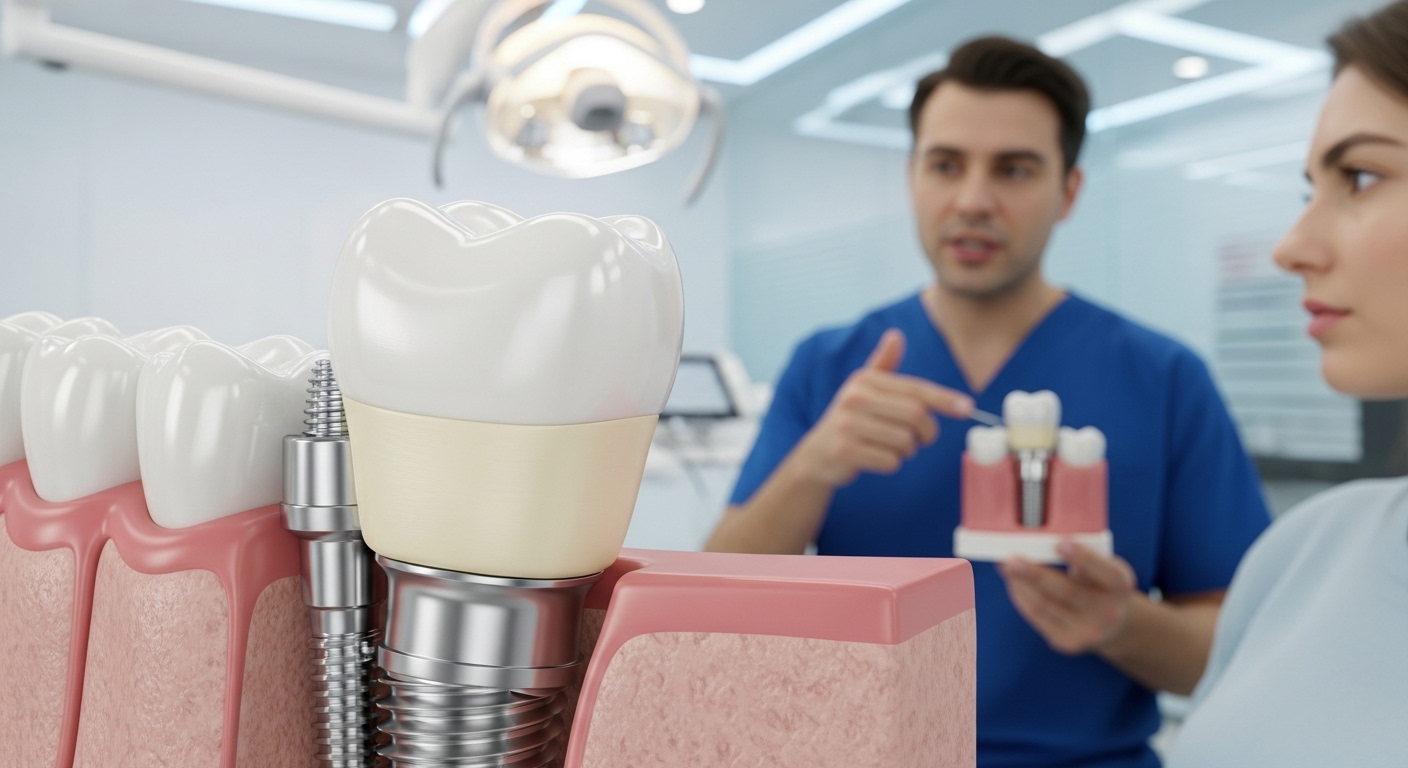
Crown dental implants are the final visible part of a dental implant that restores the look and function of a missing tooth. A dental implant crown is a custom-made artificial tooth attached to a titanium implant placed in the jawbone. Together, the implant and crown replace a missing tooth with a strong, natural-looking solution.
At Tooth Heaven, dental implant crowns are one of the most effective treatments we use to restore missing teeth while maintaining both oral health and aesthetics. Unlike traditional dentures or bridges, implant crowns are anchored directly into the jawbone, providing stability and long-term durability.
In this comprehensive guide, we will explain:
• What a dental implant crown is
• How a crown for dental implant works
• The step-by-step implant crown procedure
• The implant crown cost in Australia
• Materials used for dental crown implants
• How implant crowns compare to other tooth replacement options
By the end of this article, you will have a clear understanding of how crown dental implants work and whether they may be the right solution for your smile.
Quick Answer: What Is a Crown Dental Implant?
A crown dental implant is the artificial tooth placed on top of a dental implant to replace a missing tooth. The implant acts as the tooth root, while the crown functions as the visible part of the tooth.
A dental implant restoration typically consists of three components:
-
The titanium implant placed in the jawbone
-
The abutment that connects the implant to the crown
-
The custom-made dental crown that looks like a natural tooth
Together, these components create a stable and long-lasting replacement tooth.
According to the Australian Dental Association, dental implants are one of the most reliable treatments for replacing missing teeth and preserving jawbone health.
What Is a Dental Implant Crown?
A dental implant crown is the prosthetic tooth that sits on top of the implant post.
The crown is designed to match the surrounding teeth in:
• shape
• colour
• size
• bite alignment
Once attached, the crown allows patients to chew, speak, and smile comfortably.
Many patients cannot tell the difference between an implant crown and a natural tooth.
Patients interested in restorative and cosmetic dentistry treatments often choose implant crowns because they offer both function and aesthetic benefits.
How a Crown for Dental Implant Works
Dental implant crowns work by replacing both the tooth root and the visible tooth.
The implant process includes three main stages
-
Implant placement in the jawbone
-
Healing and integration with the bone
-
Placement of the dental crown
This process allows the implant to function similarly to a natural tooth root.
Over time, the implant fuses with the bone in a process called osseointegration, creating a stable foundation for the crown.
Dental Crown on Implant vs Traditional Crown
Patients sometimes confuse implant crowns with traditional crowns placed on natural teeth.
Dental crown on natural tooth
A traditional crown is placed over an existing tooth that has been damaged.
It protects and strengthens the remaining tooth structure.
Dental crown on implant
A crown on an implant replaces an entire missing tooth.
It does not rely on neighbouring teeth for support.
Quick comparison
| Feature | Implant Crown | Traditional Crown |
| Replaces missing tooth | Yes | No |
| Requires natural tooth | No | Yes |
| Attached to implant | Yes | No |
| Longevity | Long lasting | Long lasting |
Crown Dental Implant Procedure Steps
Understanding the implant crown procedure helps patients feel more confident about treatment.
Step 1 Consultation and Assessment
The dentist examines your oral health and may take X-rays or 3D scans.
Patients can contact our clinic to schedule a consultation.
Step 2 Implant Placement
A titanium implant is surgically placed into the jawbone.
The implant acts as the artificial root of the tooth.
Step 3 Healing Period
The implant integrates with the bone during a healing period that usually lasts several months.
This creates a stable base for the crown.
Step 4 Abutment Placement
An abutment is attached to the implant to connect the crown.
Step 5 Implant Crown Placement
A custom crown is fabricated and secured to the abutment.
The result is a natural-looking replacement tooth.
Types of Implant Crown Materials
Several materials can be used to create dental implant crowns.
Porcelain crowns
Porcelain crowns offer excellent aesthetics and are commonly used for front teeth.
Advantages:
• natural colour
• translucent appearance
• good durability
Zirconia crowns
Zirconia crowns are extremely strong and durable.
Advantages:
• high strength
• resistant to cracking
• suitable for back teeth
Porcelain fused to metal crowns
These crowns combine metal strength with porcelain aesthetics.
Advantages:
• strong support
• good appearance
Each material is selected based on the patient’s needs and tooth location.
Implant Crown Cost in Australia
The implant crown cost depends on the material used and the complexity of the treatment.
Average implant crown cost
| Treatment | Estimated Cost |
| Dental implant | $3,000 – $6,000 |
| Implant crown | $1,500 – $3,000 |
For a more detailed cost breakdown, patients can read our guide on dental crown price in Australia.
Benefits of Dental Implant Crowns
Dental implant crowns offer several advantages compared with other tooth replacement options.
Key benefits
• natural appearance
• strong chewing ability
• preservation of jawbone
• long lasting durability
• no impact on neighbouring teeth
Implant crowns often last many years with proper care.
The Healthdirect Australia dental implant information explains that implants help prevent bone loss associated with missing teeth.
How Long Do Implant Crowns Last?
Implant crowns are designed to be durable.
Average lifespan
Dental implant posts can last 20 years or longer, while the crown typically lasts 10 to 15 years before replacement.
Longevity depends on:
• oral hygiene habits
• teeth grinding
• regular dental checkups
• diet and chewing habits
Real Patient Example
At Tooth Heaven, we recently treated a patient who lost a molar due to severe decay.
The missing tooth made chewing uncomfortable and caused shifting of nearby teeth.
After placing a dental implant and custom crown, the patient regained full chewing ability and a natural-looking smile.
Patients interested in implant treatments can learn more about our experienced clinicians on our dental team page.
Quick Answers About Crown Dental Implants
What is a crown dental implant?
A crown dental implant is the artificial tooth placed on top of a dental implant to replace a missing tooth.
How much does an implant crown cost?
Implant crowns typically cost $1,500 to $3,000 depending on materials and treatment complexity.
Is a crown necessary for dental implants?
Yes. The crown is the visible part of the implant that restores the function and appearance of the tooth.
How long does an implant crown last?
Most implant crowns last 10 to 15 years with proper care.
Are implant crowns better than bridges?
Implant crowns often provide better stability and do not require altering neighbouring teeth.
Conclusion
Understanding crown dental implants helps patients make informed decisions about replacing missing teeth. A dental implant crown restores both the function and appearance of a natural tooth while preserving jawbone health.
With proper care, implant crowns can provide a long-lasting and reliable solution for missing teeth.
At Tooth Heaven, our team focuses on personalised dental care designed to restore healthy, natural smiles.
If you are considering a dental implant crown or want to explore your treatment options, you can contact our clinic to book a consultation.