
Introduction
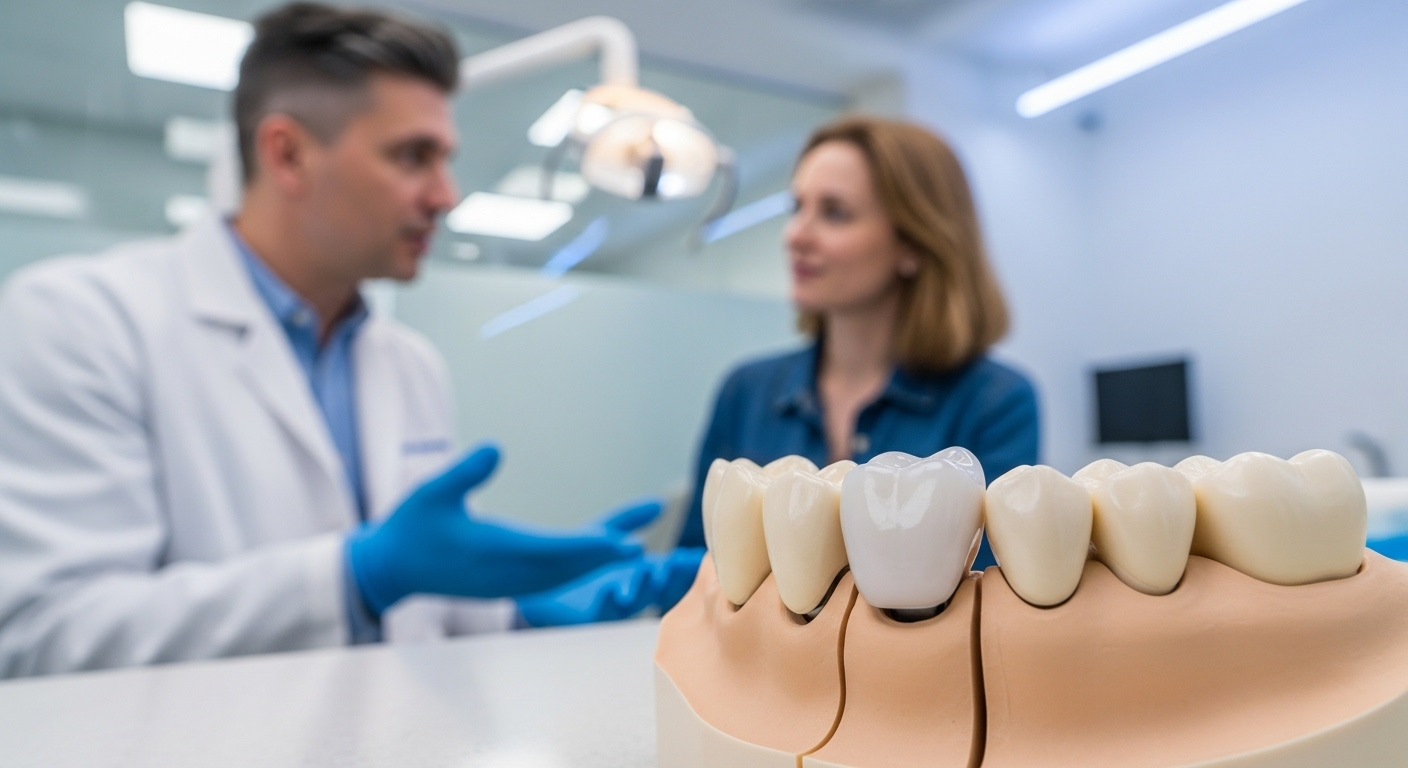
A ceramic dental crown is a tooth-shaped restoration made entirely from ceramic materials that is placed over a damaged or weakened tooth to restore its strength, function, and appearance. Ceramic crowns are widely used in modern dentistry because they closely mimic the colour and translucency of natural teeth while providing excellent durability.
At Tooth Heaven, ceramic crowns are one of the most common restorative solutions we recommend for patients who want both strength and aesthetics. Whether a tooth has been damaged by decay, fracture, or root canal treatment, an all-ceramic crown can restore its shape and protect it from further damage.
In this comprehensive guide, we will explain:
• What a ceramic dental crown is
• The difference between all-ceramic crowns and porcelain crowns
• Types of ceramic crowns used in modern dentistry
• The benefits and possible drawbacks of ceramic crowns
• The best ceramic dental crown options available today
By the end of this article, you will understand how ceramic crowns work and whether they may be the right treatment for restoring your smile.
Quick Answer: What Is a Ceramic Dental Crown?
A ceramic dental crown is a full-coverage cap made from high-strength ceramic material that fits over a damaged or weakened tooth. It restores the tooth’s shape, strength, and appearance while protecting it from further damage.
Ceramic crowns are commonly used for:
• cracked or fractured teeth
• large cavities that cannot support a filling
• teeth that have undergone root canal treatment
• worn or weakened teeth
• cosmetic smile improvements
Unlike metal crowns, ceramic crowns are metal-free, making them highly aesthetic and suitable for visible teeth.
What Is an All-Ceramic Crown?
An all-ceramic crown is a type of dental crown made entirely from ceramic materials without any metal substructure.
This type of crown is designed to replicate natural enamel in both colour and translucency.
Key characteristics of all-ceramic crowns
• natural tooth appearance
• metal-free composition
• excellent biocompatibility
• high resistance to staining
Because of these properties, all-ceramic crowns are frequently used for front teeth where appearance is especially important.
Patients interested in aesthetic dental treatments can learn more about cosmetic dentistry options available at our clinic.
Why Dentists Recommend Ceramic Dental Crowns
Ceramic crowns have become one of the most popular crown materials because they combine aesthetics with durability.
Major advantages
• natural tooth colour and translucency
• strong and durable material
• resistant to staining
• biocompatible with gum tissue
• no visible metal edges
According to the Australian Dental Association, modern ceramic materials allow dentists to restore damaged teeth while maintaining a natural appearance.
Types of Ceramic Dental Crowns
Several ceramic materials are used in dental crowns today.
1. Zirconia Crowns
Zirconia is a very strong ceramic material.
Advantages
• extremely durable
• suitable for back teeth
• resistant to fractures
Zirconia crowns are often used when patients need a strong restoration that can withstand heavy chewing pressure.
2. Lithium Disilicate Crowns
Lithium disilicate is a glass-ceramic material known for its aesthetics.
Advantages
• excellent translucency
• natural appearance
• ideal for front teeth
3. Porcelain Crowns
Porcelain crowns are traditional ceramic crowns designed for aesthetics.
Advantages
• highly aesthetic
• excellent colour matching
However, porcelain crowns may be slightly less durable than zirconia.
Ceramic Crown Material Comparison
| Crown Material | Strength | Aesthetic Quality | Ideal Location |
| Zirconia | Very high | Very good | Back teeth |
| Lithium disilicate | High | Excellent | Front teeth |
| Porcelain | Moderate | Excellent | Front teeth |
Dentists choose the crown material based on the location of the tooth and the patient’s aesthetic goals.
Ceramic Crown vs Porcelain Crown
Many patients ask about the difference between ceramic and porcelain crowns.
Ceramic Crown
A ceramic crown refers to crowns made entirely from ceramic materials such as zirconia or lithium disilicate.
Advantages
• strong
• natural looking
• durable
Porcelain Crown
Porcelain crowns are a specific type of ceramic crown made primarily from porcelain.
Advantages
• excellent appearance
• very natural translucency
However, porcelain crowns may not be as strong as zirconia crowns.
Quick comparison
| Feature | Ceramic Crown | Porcelain Crown |
| Strength | High | Moderate |
| Appearance | Natural | Very natural |
| Durability | Excellent | Good |
| Ideal for | Front and back teeth | Front teeth |
Dental Crown Procedure
Understanding the dental crown procedure can help patients feel more comfortable about treatment.
Step 1 Consultation
Your dentist examines the tooth and may take X-rays to assess the damage.
Patients can contact our clinic to schedule a consultation.
Step 2 Tooth Preparation
The damaged portion of the tooth is removed, and the remaining structure is reshaped to support the crown.
Step 3 Digital Scan or Impression
A digital scan is taken to create a precise model of the tooth.
This allows the dental laboratory to design a custom ceramic crown.
Step 4 Temporary Crown
A temporary crown may be placed while the final crown is being fabricated.
Step 5 Final Crown Placement
Once the ceramic crown is ready, it is bonded to the tooth with dental cement.
The result restores both function and appearance.
Ceramic Dental Crown Cost in Australia
The cost of ceramic crowns varies depending on materials and treatment complexity.
Typical price range
| Crown Type | Average Cost |
| Porcelain crown | $1,200 – $2,200 |
| Zirconia crown | $1,500 – $2,500 |
| Lithium disilicate crown | $1,400 – $2,300 |
Patients can read a more detailed price breakdown in our guide on dental crown price in Australia.
How Long Do Ceramic Crowns Last?
Ceramic crowns are designed to last many years.
Average lifespan
Most ceramic crowns last 10 to 15 years or longer with proper care.
Factors that influence longevity include:
• oral hygiene habits
• teeth grinding
• regular dental checkups
• chewing habits
The Healthdirect Australia dental crown procedure guide explains that crowns can significantly extend the life of damaged teeth.
Real Patient Example
At Tooth Heaven, a patient recently came to us with a severely cracked front tooth after an accident.
The tooth structure was too weak for a filling, but still healthy enough to save.
After careful assessment, our team recommended an all-ceramic crown to restore the tooth.
The crown restored the tooth’s appearance and allowed the patient to smile confidently again.
Patients can learn more about our clinicians on our dental team page.
Quick Answers About Ceramic Dental Crowns
What is a ceramic dental crown?
A ceramic dental crown is a tooth-shaped cap made from ceramic materials used to restore damaged or weakened teeth.
Are ceramic crowns better than metal crowns?
Ceramic crowns provide better aesthetics and are metal-free, while metal crowns may be slightly stronger.
How long do ceramic crowns last?
Most ceramic crowns last 10 to 15 years or longer with proper care.
Are ceramic crowns safe?
Yes. Ceramic materials are biocompatible and widely used in modern dentistry.
Are ceramic crowns expensive?
Ceramic crowns typically cost $1,200 to $2,500 per tooth depending on the material and treatment complexity.
Conclusion
Understanding ceramic dental crowns helps patients make informed decisions about restoring damaged teeth. Ceramic crowns combine strength, durability, and natural appearance, making them one of the best restorative options available today.
With modern materials such as zirconia and lithium disilicate, ceramic crowns can restore both function and aesthetics while protecting the underlying tooth.
At Tooth Heaven, our team focuses on personalised dental care designed to restore healthy, natural smiles.
If you are considering a ceramic crown or want to learn more about your treatment options, you can contact our clinic to schedule a consultation.