
Introduction
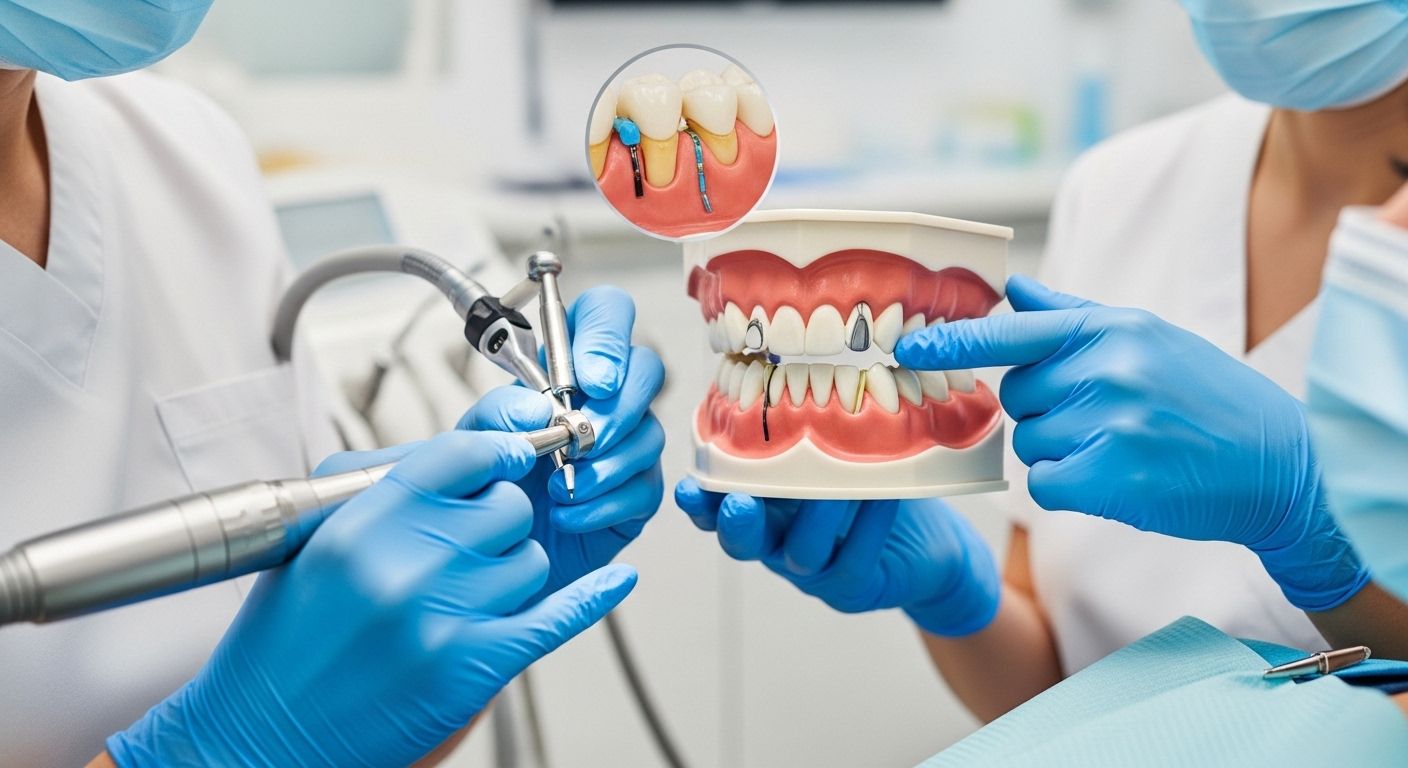
The dental crown procedure is a restorative dental treatment used to repair and protect damaged teeth by placing a custom-made cap over the tooth. Dental crowns restore the tooth’s shape, strength, and appearance, allowing patients to chew comfortably and maintain a natural-looking smile. The procedure is one of the most common treatments used in modern dentistry to save teeth that would otherwise require extraction.
At Tooth Heaven, we regularly perform dental crown treatments for patients with cracked teeth, severe decay, or teeth weakened after root canal therapy. A crown strengthens the remaining tooth structure while restoring both function and aesthetics.
In this guide, we will explain:
• The complete dental crown treatment process
• The step-by-step dental crown procedure
• How dental crowns are made and placed
• How long the procedure takes
• Recovery, aftercare, and crown longevity
By the end of this article, you will have a clear understanding of how dental crowns are done and what to expect during treatment.
Quick Answer: What Is the Dental Crown Procedure?
The dental crown procedure involves reshaping a damaged tooth and placing a custom-made cap over it to restore strength and function.
The procedure typically includes:
-
Examination and diagnosis
-
Tooth preparation
-
Digital scan or dental impression
-
Temporary crown placement
-
Final crown placement
Dental crowns are designed to protect weakened teeth and can last many years with proper care.
What Is a Dental Crown?
A dental crown is a tooth-shaped cap placed over a tooth that has been damaged, weakened, or cosmetically compromised.
Crowns are commonly used to:
• restore cracked teeth
• protect teeth after root canal treatment
• repair large cavities
• improve tooth appearance
• strengthen worn teeth
Patients often explore crown treatment as part of broader cosmetic dentistry options when restoring both function and aesthetics.
When Do You Need a Dental Crown?
Dentists may recommend a crown when a tooth is too damaged for a filling but still strong enough to save.
Common reasons for dental crowns
• large cavities weakening the tooth
• cracked or fractured teeth
• severely worn teeth
• root canal treated teeth
• cosmetic restoration
According to the Australian Dental Association, dental crowns are an effective way to preserve natural teeth and prevent further structural damage.
Dental Crown Steps: The Complete Treatment Process
The dental crown procedure is usually completed over two appointments, though some clinics may offer same-day crowns using digital technology.
Step 1: Initial Consultation and Examination
During the first visit, the dentist evaluates the tooth and surrounding structures.
This may include:
• dental examination
• X-rays
• bite assessment
• discussion of treatment options
Patients can contact our clinic to schedule a consultation and determine whether a crown is the right treatment.
Step 2: Tooth Preparation
The dentist reshapes the damaged tooth so the crown can fit securely.
This process involves:
• removing decayed or weakened tooth structure
• shaping the tooth to create space for the crown
Local anaesthesia is used to ensure the patient remains comfortable during the procedure.
Step 3: Dental Impression or Digital Scan
After the tooth is prepared, the dentist takes an impression or digital scan.
This allows the dental laboratory to create a custom crown that matches the:
• size
• shape
• colour
• bite alignment
Modern digital scanning technology ensures a precise fit.
Step 4: Temporary Crown Placement
While the permanent crown is being fabricated, a temporary crown is placed over the tooth.
The temporary crown protects the tooth from:
• sensitivity
• further damage
• bacteria exposure
Patients should avoid chewing hard foods on the temporary crown.
Step 5: Permanent Crown Placement
Once the custom crown is ready, the dentist removes the temporary crown and bonds the permanent crown to the tooth using dental cement.
The dentist then checks:
• bite alignment
• crown fit
• comfort
Once placed, the crown functions like a natural tooth.
How Long Does the Dental Crown Procedure Take?
The full crown treatment process usually takes two appointments over one to two weeks.
Typical timeline
| Step | Time Required |
| Consultation and preparation | 60–90 minutes |
| Crown fabrication | 1–2 weeks |
| Crown placement appointment | 30–60 minutes |
Some dental clinics offer same-day crowns using advanced CAD/CAM technology.
Materials Used for Dental Crowns
Dental crowns can be made from several materials depending on the tooth location and patient preferences.
Common crown materials
| Crown Material | Strength | Appearance |
| Zirconia | Very strong | Natural |
| Porcelain | Moderate | Very natural |
| Porcelain fused to metal | Strong | Good |
| Metal alloy | Very strong | Less aesthetic |
Your dentist will recommend the most suitable material based on durability and aesthetic goals.
Dental Crown Cost in Australia
One of the most common patient questions is about pricing.
Average dental crown cost
| Crown Type | Estimated Cost |
| Porcelain crown | $1,200 – $2,200 |
| Zirconia crown | $1,500 – $2,500 |
| Porcelain fused to metal | $1,300 – $2,300 |
For a detailed breakdown of pricing, patients can read our article on dental crown price in Australia.
What to Expect After a Dental Crown Procedure
Most patients recover quickly after crown treatment.
Common temporary effects
• mild tooth sensitivity
• slight gum tenderness
• minor discomfort when biting
These symptoms typically resolve within a few days.
The Healthdirect Australia dental crown procedure guide explains that crowns are generally well tolerated and have a high success rate.
How Long Do Dental Crowns Last?
Dental crowns are designed to last many years.
Average crown lifespan
Most crowns last 10 to 15 years, though some may last longer with proper care.
Factors that affect crown longevity include:
• oral hygiene habits
• teeth grinding
• diet
• regular dental checkups
Real Patient Example
At Tooth Heaven, we recently treated a patient with a cracked molar caused by years of grinding.
The tooth had a large filling and was beginning to fracture.
After evaluating the tooth, our team recommended a zirconia crown.
The crown restored the tooth’s strength and allowed the patient to chew comfortably again.
Patients can learn more about our clinicians by visiting our dental team page.
Quick Answers About the Dental Crown Procedure
How long does the dental crown procedure take?
Most crown procedures require two appointments over one to two weeks.
Is the dental crown procedure painful?
Local anaesthesia is used, so patients usually experience minimal discomfort.
Do dental crowns require special care?
No. Crowns require the same oral hygiene routine as natural teeth.
Can crowns fall off?
While rare, crowns may loosen over time and can usually be re-cemented.
How long do crowns last?
Dental crowns typically last 10–15 years or longer with proper care.
Conclusion
Understanding the dental crown procedure can help patients feel more confident about restorative dental treatment. Crowns are a reliable solution for repairing damaged teeth while preserving natural tooth structure.
Modern crown materials provide both strength and natural aesthetics, allowing patients to restore their smiles and chewing function.
At Tooth Heaven, our team focuses on personalised dental care designed to protect and restore teeth using modern restorative techniques.
If you think you may need a dental crown or want to learn more about treatment options, you can contact our clinic to book a consultation.